






Industrial Surfaces: Sustainable Solutions for Large Spaces
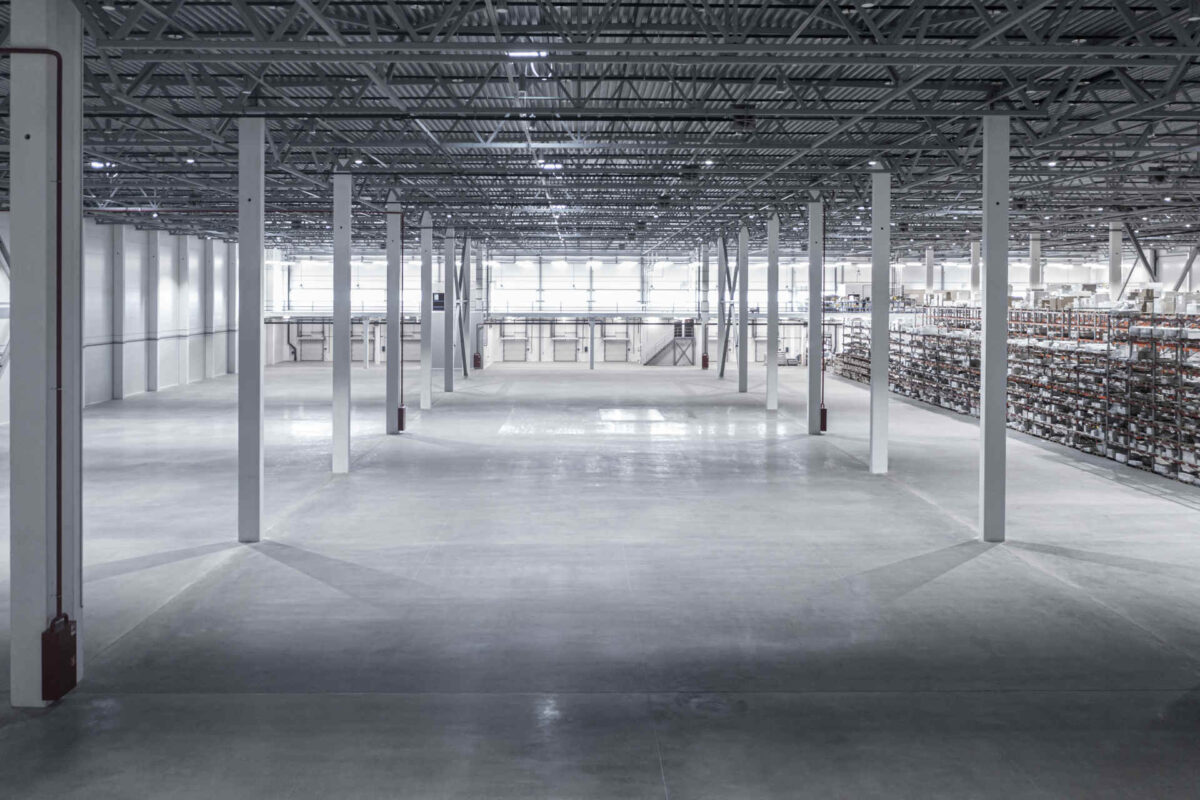
Industrial surfaces require special care: the healthiness of the environment and the safety of workers, as well as the ease of use and maintenance of the structures, depend on their integrity. Concrete floors , in particular, are extremely durable and versatile, but they are also naturally prone to dust formation, a characteristic that, if left untreated, can compromise the functioning of machinery and the quality of the work environment.
Production facilities, supermarkets, warehouses, and large industrial plants require durable, safe, functional, and easy-to-clean floors. This is why anti-dust treatments for cement and concrete are available, allowing industrial surfaces to be protected from deterioration quickly, effectively, and in an environmentally friendly manner.
Treatment of company floors
Industrial floors must be safe, durable, and hygienic. Regardless of the type of activity performed, these are essential features to ensure a healthy and efficient work environment. The most common treatments for floors in industrial, warehouse, and commercial facilities serve to provide these essential qualities. Among the most effective treatments are:
- Anti-wear seals, which protect surfaces from scratches and abrasions, prolonging the life of the floor;
- Anti-slip treatments, especially useful in very humid areas or where oils and greases are present;
- Anti-dust treatments, essential to avoid the crumbling of industrial concrete floors, by far the most widespread;
- Polishing: gives a shiny appearance and makes surfaces more resistant and easier to clean.
Thanks to these treatments, the floors acquire strength and chemical resistance , characteristics that allow them to withstand heavy loads, intense traffic and aggressive substances such as acids, keeping the premises healthy and safe for workers.
As always, it all depends on the materials. PVC , for example, is already non-slip but isn't suitable for supporting heavy loads, so it's usually limited to a wax coating that makes it resistant to stains and marks. Resin , increasingly popular in industrial settings, is notoriously highly resistant to chemicals and abrasion and may require, at most, a sealant for further protection against wear.
Concrete remains the most popular choice for industrial surfaces because it's economical, easy to install, and extremely durable. On the other hand, its porous nature makes it prone to dirt accumulation and dust formation . In this case, dust-proofing is definitely the most essential treatment.
Industrial Surface Care: Anti-Dust Treatment
Designed to support heavy loads and intensive use, often involving the passage of rubber-tyred vehicles such as forklifts and pallet trucks, industrial cement and concrete floors are naturally porous and therefore prone to dust formation. Dust can pose a health risk to workers, compromise the operation of machinery, and significantly increase cleaning and maintenance costs.
Concrete can be made more resistant to abrasion and wear through the use of additives (such as waterproofing agents) or practices such as quartz dusting , which make surfaces smoother, more resistant and less prone to the formation of dirt and dust.
Regardless of the floor finish, however, concrete remains subject to abrasion and dusting, so it is always advisable to carry out an anti-dust treatment , generally based on resins or silicates, which penetrates deep into the concrete, making it more solid and less prone to crumbling.
By strengthening materials, dustproofing increases their resistance to wear and tear and the absorption of substances . Its primary purpose, however, is to prevent dust from forming in the workplace, as it can settle on tools and machinery, making environments unhealthy and difficult to keep clean.
Finally, this treatment allows the floor to maintain its original appearance and color for a long time, significantly slowing down the physiological aging process of the materials.
Ecological solutions for the protection of industrial surfaces
As mentioned, resins and lithium silicates are primarily used to protect industrial floors from dust, dirt, harmful substances, and abrasion . The latter is used primarily in contexts where superficial protection is not enough, but rather a solution capable of solidifying the material up to 30 millimeters deep is needed, providing greater resistance to traffic and wear and excellent water-repellent properties.
Lithium silicates are considered environmentally friendly because they are free of solvents and toxic substances. Despite the still very high environmental impact of lithium mining, lithium silicates can contribute to LEED (Leadership in Energy and Environmental Design) points, which certify the low environmental footprint of buildings. By extending the life and functionality of concrete, the use of these compounds significantly reduces resource consumption.
A similar argument applies to resin-based dust-proofing treatments , which form an invisible protective barrier on the surface, improving the floors' resistance (including to chemicals) and extending their lifespan. Aqueous resins also seal the concrete's pores, making maintenance much simpler and more effective, with obvious savings in time, resources, and cleaning products.