






Easy Cleaning and Sustainable Products: A Practical Guide
Surface maintenance can be a daunting task for those with little time to dedicate to cleaning and floor care. This is especially true when you choose a material that turns out to be unsuitable for a given use, when you use the wrong products, or when you find yourself having to treat a floor whose characteristics and needs you're unfamiliar with, such as when you move into a new home with unreadable modern surfaces.
Understanding the materials in your home is the first step to easy and effective cleaning . Wood, natural stone, and vinyl floors require very different care and products, but there are practical and eco-friendly solutions for each material.
Terracotta, stone and natural materials: the secrets of easy cleaning
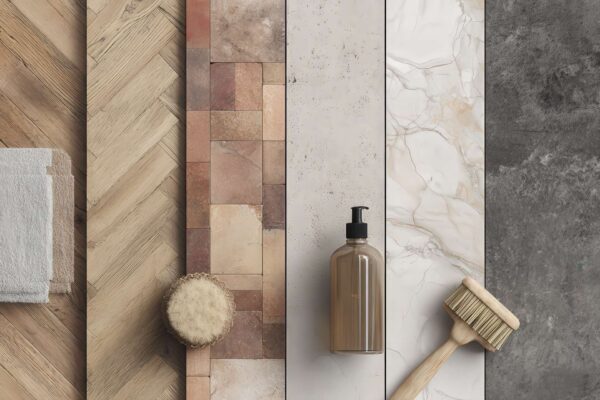
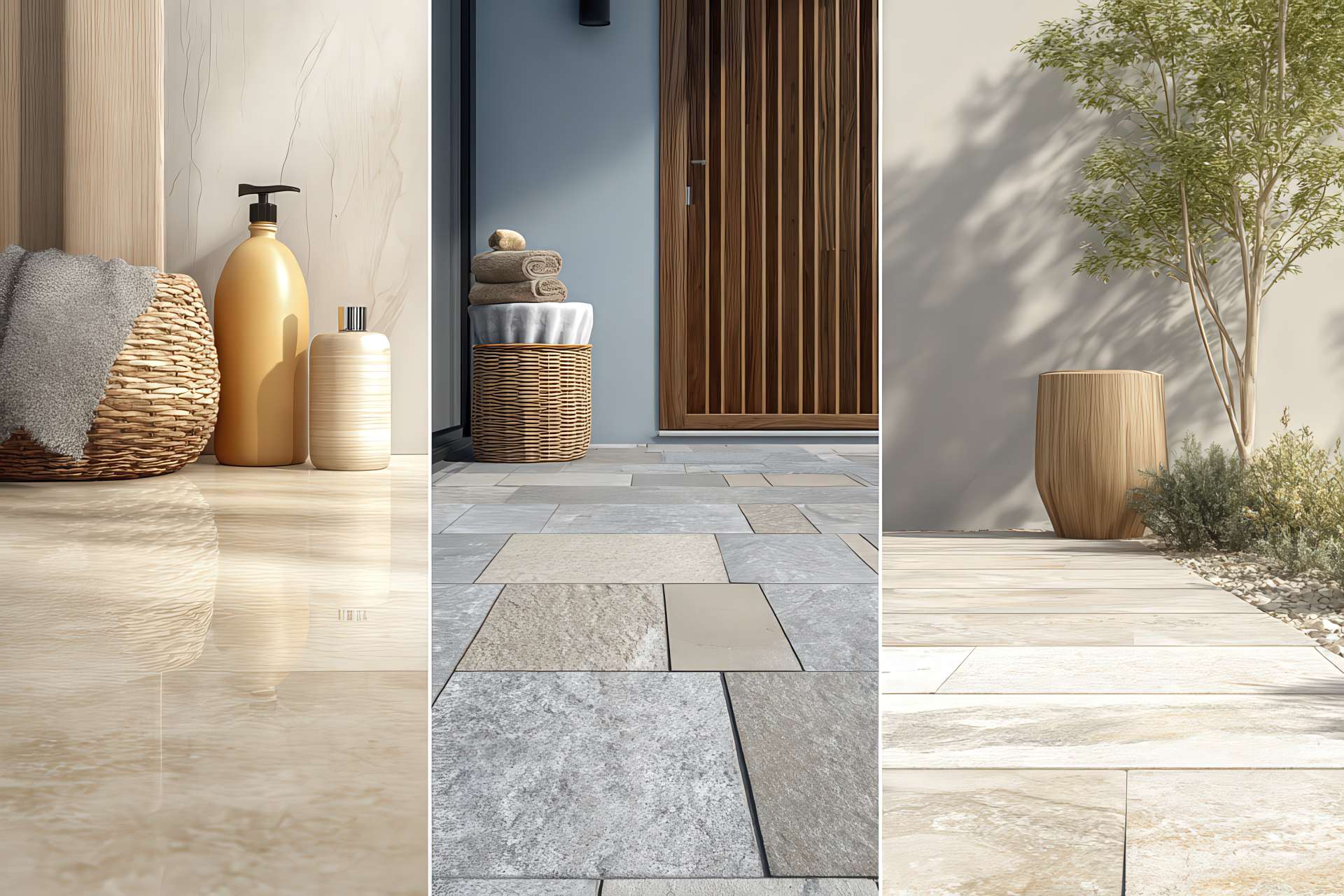
Natural materials like wood, terracotta, marble, and stone have a certain reputation when it comes to cleaning and maintenance: they are indeed rather delicate materials, although extremely durable and resistant. The characteristic they all have in common is porosity , which causes them to absorb water and various substances that can cause stains or more serious damage, such as surface deterioration.
To ensure easy cleaning and quick, effective maintenance, it is a good idea to follow some basic rules :
- Choose the right material: stone, terracotta and marble are very different materials. The cooked, for example, is perfect for outdoor flooring but is not suitable for very humid environments, while the marble fears above all acidic substances and chemical agents. An aesthetic choice that does not consider the practical use of materials can lead to situations that are decidedly difficult to manage;
- Protect surfaces: porous surfaces, especially if particularly exposed to dirt and humidity, must be protected with a water repellent treatment that prevents water and other substances from penetrating deeply and ruining the materials. This type of treatment, in addition to protecting the surfaces, makes cleaning much easier;
- Run the periodic maintenance: when cleaning surfaces becomes more difficult, it means that the protective treatment is losing its effectiveness. Depending on the type of product used, it will be possible to renew the protection by applying a new coat of product or a finishing treatment;
- Don't let it accumulate dust;
- Choose a only product for ordinary cleaning: accumulating dozens of floor cleaning products certainly does not make the task easier. The ideal choice is to rely on a mild neutral detergent, possibly concentrated, able to tackle different types of dirt and suitable for all washable surfaces the house.
Sustainable (and easy to use) products for the care of wooden floors
Wooden surface maintenance is the best place for eco-friendly treatments : for centuries, we have protected wood with natural waxes and resins, and today we can exploit the properties of these substances thanks to new-concept products that enhance their action and make them much easier to use.
Caring for wooden floors, as with all porous materials, begins with protection : where natural oils and waxes were once used to impregnate the wood, today it is possible to choose the treatment best suited to your needs, from natural oil-waxes that nourish and protect the parquet to the most innovative water-based treatments.
New-generation products are very easy to use : in most cases, they are applied using a brush or cotton cloth and simply left to dry for a few hours. Wood maintenance can also be simplified by using protective cleaners that preserve the base treatments, significantly extending maintenance times.
Even routine cleaning can help make parquet care easier and quicker: there are protective detergents formulated with natural surfactants and plant-based oils that help keep the wood in optimal condition for longer, removing dust and dirt in a single step (without rinsing).
Surface Maintenance: LVT, PVC and Vinyl Flooring
At the opposite end of the spectrum from natural materials like wood and terracotta are vinyl floors . Prized for decades for their durability and even more so for their ease of cleaning, these coverings, once used in schools and other public spaces, have made their way into homes in the form of LVT, or Luxury Vinyl Tiles.
Luxury vinyl tiles are certainly not the most eco-friendly choice for your home, being composed at least partly of vinyl chloride and fiberglass, but they can be a quick and very effective solution for rooms subject to high humidity and heavy traffic that want to always look perfect without any effort.
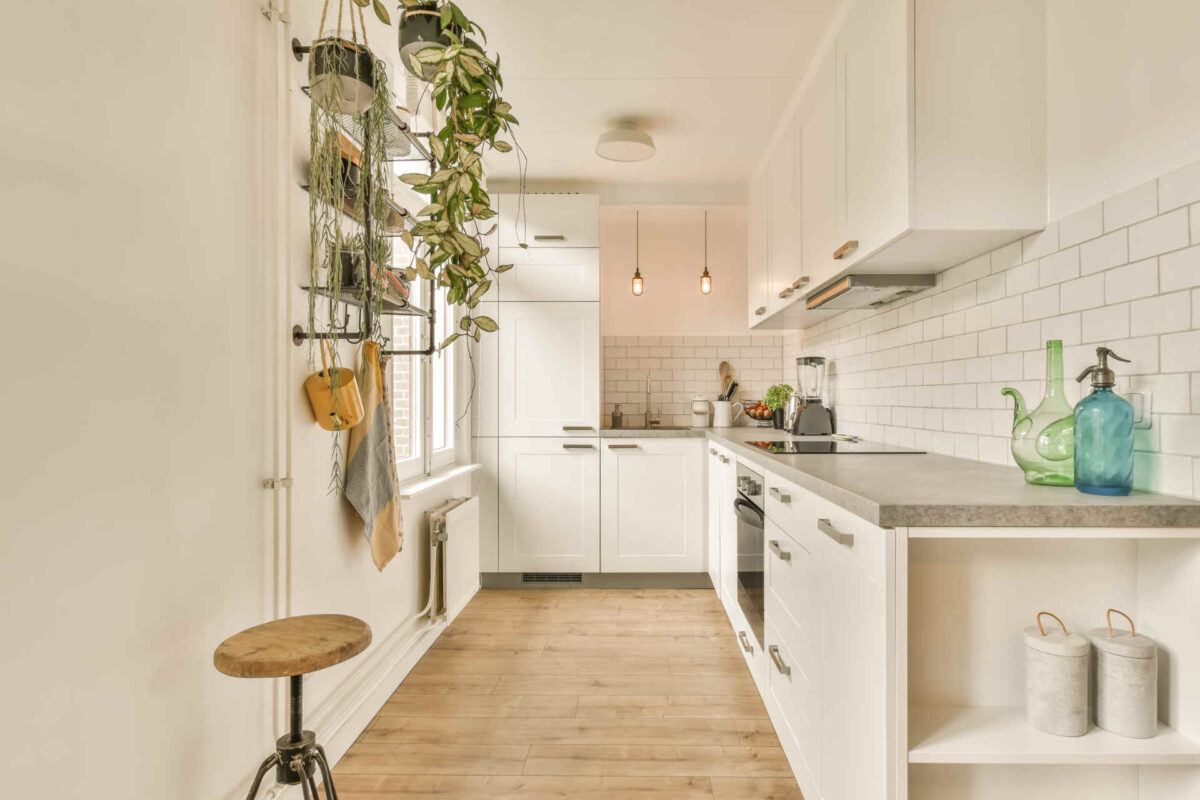
New-generation vinyl flooring is more advanced and sustainable than traditional PVC rolls and increasingly mimics wood grain, making it an increasingly popular choice. But how do you care for these floors, made up of layers of different materials like vinyl, WPC, or other polymers? First of all, avoid abrasive products, oils, and waxes . Instead, choose a neutral cleaner specifically designed for vinyl floors that ensures long-lasting, streak-free cleaning. It's important to use a product that doesn't require rinsing : any soap residue on the vinyl can quickly turn into unsightly sticky stains that will only attract more dirt.