







Always shiny floors: easy maintenance for terracotta and wood
Choosing natural materials for your home doesn't have to automatically become a full-time commitment. It's true that terracotta and parquet floors require a little more care than more durable surfaces like porcelain stoneware or WPC, but that doesn't mean their maintenance is complicated or demanding.
On the contrary, by following a proper cleaning routine and choosing the right protective and finishing treatments, it is possible to always have clean and shiny floors with decidedly moderate effort.
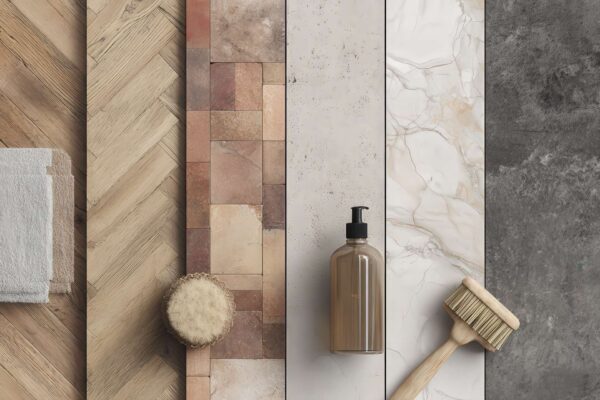
Maintenance of parquet and terracotta floors
Natural materials like wood and terracotta can lend a warm and welcoming atmosphere to any home. Besides being a sustainable choice with undeniable aesthetic value, parquet and terracotta floors are also perfect for those seeking a healthy, comfortable, and relaxing home.
These completely natural materials, in fact, do not emit harmful substances of any kind and can count on excellent antistatic properties, which prevent the accumulation of dust and allergens, improving the overall air quality.
Their natural porosity also allows them to absorb and release moisture —a feature that can make a difference, especially in high-humidity environments. Solid wood and terracotta are also excellent insulators and are suitable for underfloor heating, making them a sustainable choice in terms of energy consumption.
These enormous benefits obviously come at a price: a terracotta floor can cost even double that of a porcelain stoneware solution, and parquet can cost even more.
Choosing natural flooring, however, doesn't imply the demanding maintenance you'd often imagine. The old, weekly wax treatments have been replaced by new-generation products that allow you to enjoy the natural elegance of wood and terracotta with quick and effective maintenance , similar to that required for much less expensive floors.
How to make terracotta floors shine?
Rustic and elegant, terracotta is an extremely durable yet delicate material. Its natural porosity allows it to regulate humidity levels within the home, but it can also become a vulnerability. Its ability to absorb liquids makes it susceptible to stains and accidents that can ruin it.
Therefore, when choosing a terracotta floor, it's essential to protect it with a waterproofing treatment to protect it from stains and moisture. After installing or thoroughly cleaning the floor, a water- and oil-repellent impregnator should be applied to form an invisible barrier against moisture, stains, and oxidation. This treatment, however, must be periodically renewed with a specific wax. And now we come to the dreaded terracotta maintenance.
Let's start with an important but underestimated rule: if ordinary cleaning is adequate, maintenance automatically becomes easier.
To keep your terracotta floors always shining, you must first follow two fundamental precautions : regularly remove dust and choose a neutral, delicate detergent for washing the floors, to be used with a soft cloth and warm water.
Glossy terracotta: is easy maintenance possible?
A good cleaning routine can keep terracotta in excellent condition for months, without requiring any special attention. Over time, however, the floor will inevitably lose its shine and appear drier. That's when it's time to wax it.
As you can easily imagine, if we've chosen a glossy finish, this loss of tone could be particularly noticeable. Glossy terracotta, however, doesn't necessarily require more frequent maintenance or special care.
The frequency of maintenance depends on other factors, such as the degree of use of the floor and the type of cleaning product used, which ideally should be gentle enough not to affect the effectiveness of the underlying treatments.
Generally speaking, new-generation waxes should be applied once every two months or more frequently. It's rare to find a wax that requires weekly application these days. On the contrary, manufacturers advise against overusing wax, as too much product could create a buildup of waxy layers (which are unsightly and not very functional).
New Chemical's Neocot , for example, is a protective finishing wax with a glossy effect that strengthens the stain-resistant properties of terracotta, both indoors and outdoors, and should be applied every 8–12 months . However, if the floor loses its shine more quickly, you can dilute the product up to a maximum of 50% and use it to renew the shine and protect the terracotta.
Always shiny parquet: how to maintain the satin effect
For wood floors, the same principles apply as for terracotta. The main difference is that for parquet, maintenance depends very closely on the type of finish. While varnished parquet has a sort of protective surface layer, oiled wood exposes its natural surface directly.
The maintenance of a varnished parquet , therefore, will be very similar to that of any other material (the important thing is to be careful to choose products and materials that do not scratch or attack the protective layer of varnish).
In the case of oiled parquet, the issue is very different: to guarantee protection against wear and tear and dirt, the oil treatment must be renewed periodically.
As with terracotta, a matte finish can help reduce dirt and defects, but that doesn't mean choosing a glossy or satin parquet is more difficult to maintain.
For a satin parquet that is always bright and easy to clean , you can now opt for a self-polishing oil-wax like Nutro-Parquet , which nourishes and protects the wood, giving it a refined and natural satin appearance.
Even in this case, maintenance is not at all burdensome: in environments that are not particularly used, it is sufficient to wax approximately every 10/12 months.