






Terracotta, stoneware, ceramic: renew floors with deep cleaning
Over the years, floors tend to lose their original appearance: ceramic tiles become dull and yellowish, klinker and terracotta can blacken, and tiles begin to show stains and streaks on the surface.
When a floor ages, however, it's not always necessary to plan extensive restoration work. Very often, a properly performed deep cleaning is enough to restore the surfaces to their original beauty.
This is especially true for floors previously treated with waxes and water-repellent and polishing products , which over time tend to accumulate on the surface, creating unsightly patinas that dull or blacken the materials.
Terracotta, stoneware, klinker and ceramic: why do they get ruined?
Floors are naturally subject to a certain degree of wear and tear, caused by foot traffic and the natural aging of the surfaces.
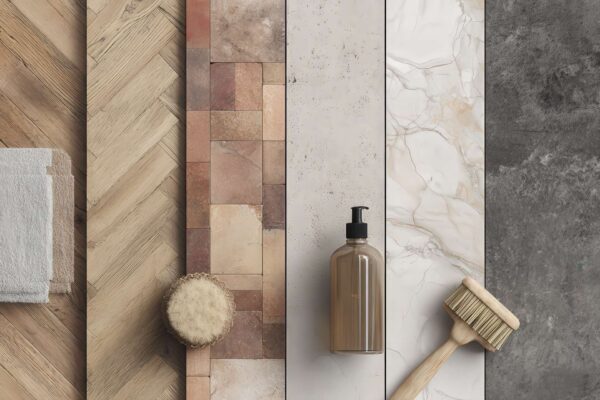
The effect that can be seen over the years depends strictly on the type of material used for the floors: if terracotta tends to blacken and stain, external klinker can see the formation of moss and algae, while stoneware and ceramic tiles become opaque, in some cases showing yellowish stains and patinas.
In addition to this, another often underestimated factor should be considered: floors made shiny or water-repellent with a protective wax-based treatment will sooner or later show signs of the old layers that have accumulated on the surfaces.
This phenomenon is particularly evident in terracotta floors , which blacken over time and become more exposed to stains and humidity , but ceramic and porcelain stoneware tiles can also show a similar problem if they have been previously treated with waxes and polishes.
These treatments perform the essential function of protecting floors from the effects of foot traffic, while also giving a shiny and bright appearance to the home's coverings, but over the years they can become one of the factors that tarnish the original beauty of the materials.
How Waxes and Polishes Change Over the Years
Treatments that protect floor and wall surfaces from humidity and stains are a fundamental ally for a home that is always perfect , especially when choosing materials such as terracotta or wood.
Other natural materials such as clinker and stone , highly appreciated both indoors and for gardens and swimming pools, have different needs: they must be protected from humidity, but also from the action of dust and smog that accumulate on their surface and from the possible formation of moss and algae.
The use of wax-based protectors is not limited to the materials mentioned: in fact, there are products specifically designed to keep the beauty of ceramic and porcelain stoneware tiles intact , and these too age.
The choice of the right treatment obviously depends on the characteristics of the material: waxes, for example, are the perfect solution for shiny ceramic tiles but not for opaque or highly porous stoneware , which will tend to accumulate residue and dirt.
The different materials will react according to their characteristics: if the terracotta absorbs a good part of the treatment, what we apply on stoneware and ceramic will remain on the surface and will gradually be consumed following normal use of the surfaces.
Residues from the various protective layers applied, however, will remain visible on the surface: on terracotta, they take on the appearance of a dark patina that tends to absorb grease and dirt; on polished tiles, they can cause dull streaks and general yellowing, which saps the shine of the home's surfaces. Therefore, before applying a new layer of wax, it's always advisable to remove residue from previous treatments.
Renew your floors with deep cleaning
If you're renovating terracotta, stoneware, or ceramic surfaces , the first step is definitely a deep cleaning, which is often enough to restore the treated floors to their former beauty.
The first thing to do, in this case, is to thoroughly clean the surface to be treated with the usual detergent, after which you can move on to the actual wax stripper , which allows you to remove old layers of oil, waxes or resins.
DECERWAX by New Chemical was created precisely for this purpose: its formulation acts quickly on all types of surfaces, removing all grease deposits and restoring materials to their original appearance (and colour).
Once the stripping is complete, it's recommended to perform an acid wash to eliminate any remaining oily and limescale residues and descale the joints. New Chemical's P-300/AD , a descaler and rust remover designed to remove rust and limescale residues, is the ideal solution for this need.
It can be used on terracotta, terracotta, ceramic, porcelain stoneware, klinker and granite and is very simple to use : just dilute it in water in the right proportion, spread it on the surface and leave it on for a few minutes, keeping in mind that its descaling action depends on the contact time.
Once the cleaning operations are completed, we will have a floor as good as new , but completely exposed to external agents: to complete the renovation work, therefore, we should proceed with the application of a new protective treatment and the desired finish.