






Marble: the handbook for making the best choice for your home
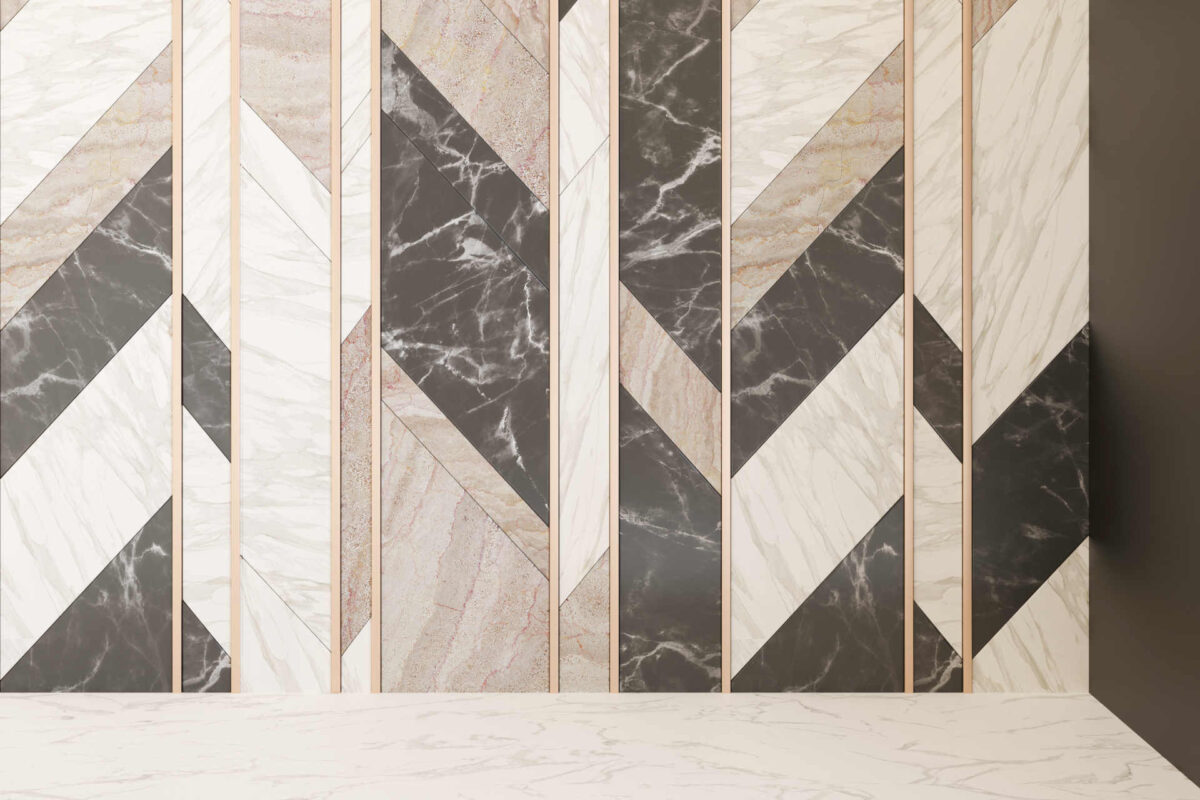
Marble is a material capable of making any space majestic and refined: its unique veining and reflective surface make it an absolute protagonist in the history of art and design.
Besides being so valuable, marble is also highly resistant to impact, abrasion, and high temperatures, qualities that make it a popular choice for bathroom and kitchen floors and walls . On the other hand, it is a delicate material that requires special care during maintenance.
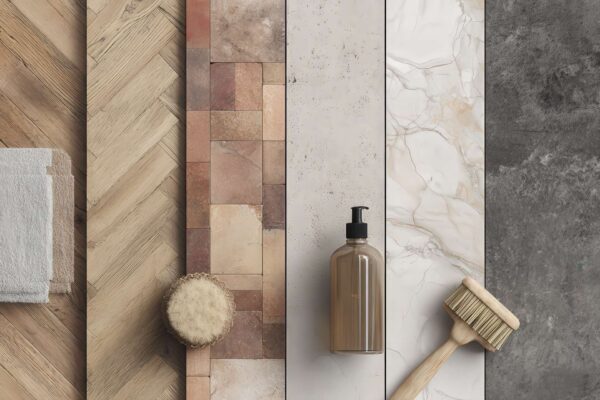
The main types of marble for floors
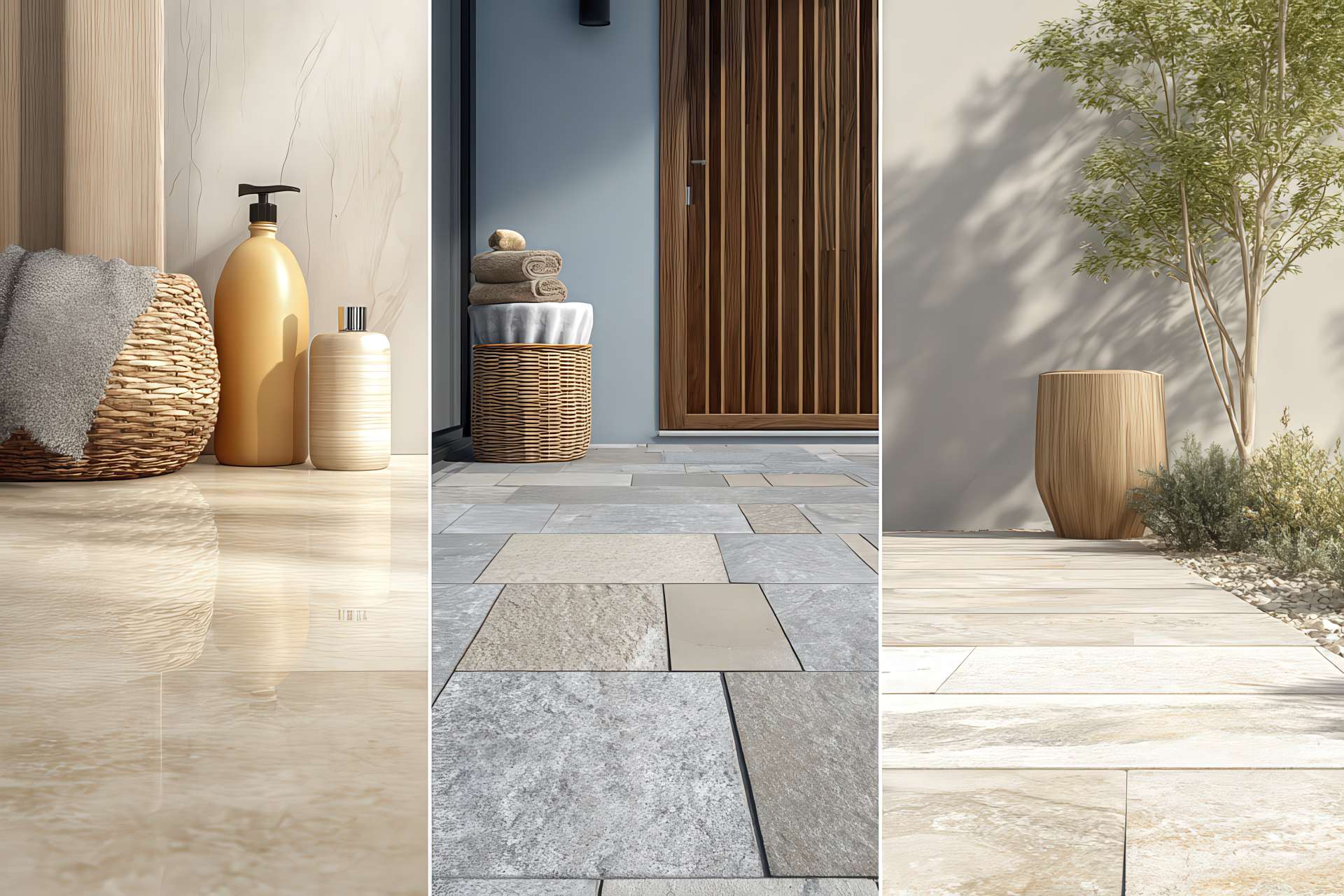
Even today, the allure of a marble floor can make any space unique, whether classic or modern and minimalist. However, there are different types of marble , each with its own characteristics: some are unsuitable for kitchens, others are perfect for gardens.
Let's look at some of the most commonly used types of marble for floors:
- Bardiglio marble: gray tending towards blue with light streaks, it is very suitable for polishing, which makes it particularly suitable for elegant flooring and wall and kitchen coverings;
- Botticino marble: its low levels of porosity and absorption make it not only very refined, but also particularly suitable for outdoor environments. With a glossy finish, however, it is widely used in bathrooms and as a covering fireplaces, windowsills and steps;
- Trani stone: rustic and resistant, it is particularly appreciated in external floors of elegant gardens and porches;
- Black Marquinia: deep, lucid, splendid. Nero Marquinia marble is characterized by a intense black colour with white veins and is widely used for flooring, but is also used as a covering in bathrooms, kitchens and luxury living rooms.
And then there's Arabescato and Carrara marble , the most beloved and imitated in the world: these two types of marble are durable and suitable for embellishing any room in the home. Travertine , on the other hand, is highly porous and is therefore not recommended for humid environments like bathrooms and kitchens.
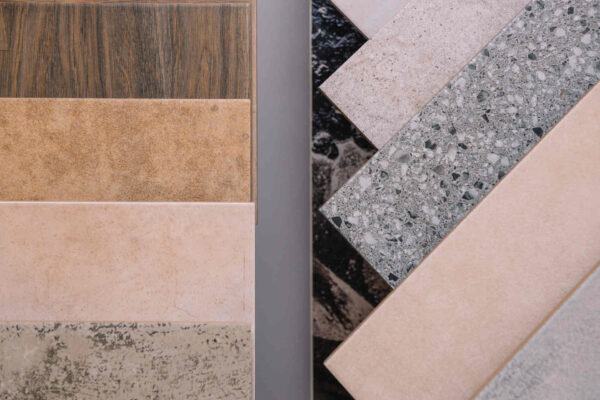
Marble floors: which one to choose
No two marble slabs are alike, and each type has its own unique characteristics. One characteristic they all have in common, however, is their susceptibility to stains : oil, coffee, tea, nicotine, and acidic substances like wine and coffee can permanently stain marble.
To make the best choice for your home, you need to know how to navigate an infinite number of possibilities, and start with the right questions:
- lo style of furniture: Nero Marquinia and Carrara Marble are much loved by minimalist designers, while Perlato di Sicilia is often an expression of a more classic elegance. The different colors of marble allow you to give a strong and bright character to any environment, but they must be chosen and combined carefully with the rest of the furnishings;
- le specific characteristics: Travertine is too porous for the kitchen, while the precious Botticino is perfect for the bathroom. Color and style are not everything: each stone has its own properties and is therefore more or less suitable for a certain use;
- thedaily use: marble flooring may not be the ideal solution for a very busy kitchen (given the issue of stains), while it may be the ideal choice for floors with underfloor heating or designed to last a very long time;
- la trim: the different types of finishing can have a major impact on the choice of material. The glossy finish, for example, revives the color of the material, while the satin finish it keeps the color neutral, making, in both cases, the surface more resistant to liquids.
Marble floors: how to treat them
Marble requires a specific routine to maintain its properties over time. First of all, to keep marble beautiful for longer, it's a good idea to apply a protective treatment that guarantees water and stain resistance, such as Stone K-600 , ideal for polished and honed marble.
If you have opted for a particularly porous marble or a satin finish , it will be necessary to treat it with top-quality wax emulsions, which respect the natural characteristics of the material without altering its appearance and colour: Sintesi 3/P integrates and completes the protective treatment of the marble and facilitates cleaning operations.
Polished marble can be protected with Riflesso Star , which blocks microporosities and small scratches and gives surfaces a mirror-like, streak-free shine , similar to lead polishing, for a sure-fire effect in modern environments and on large floors that need to be renewed once a year.
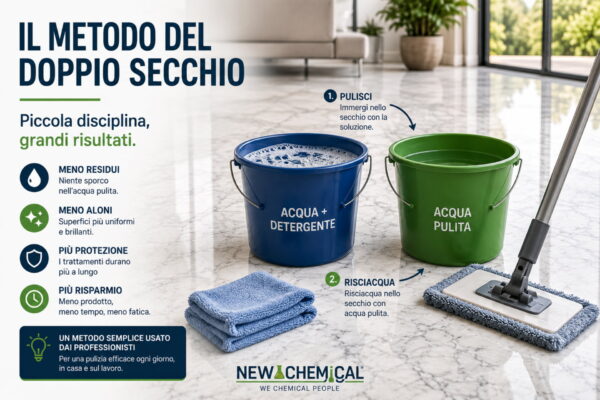
As for routine maintenance , it's important to dedicate at least one session a week to your marble floors: it's important to avoid scrubbing with aggressive materials and products. Instead, the ideal recipe for cleaning marble floors includes a soft cloth and a neutral detergent like Mistrall , which sanitizes and degreases without leaving streaks.