





Mini houses: the importance of material in the philosophy of living small
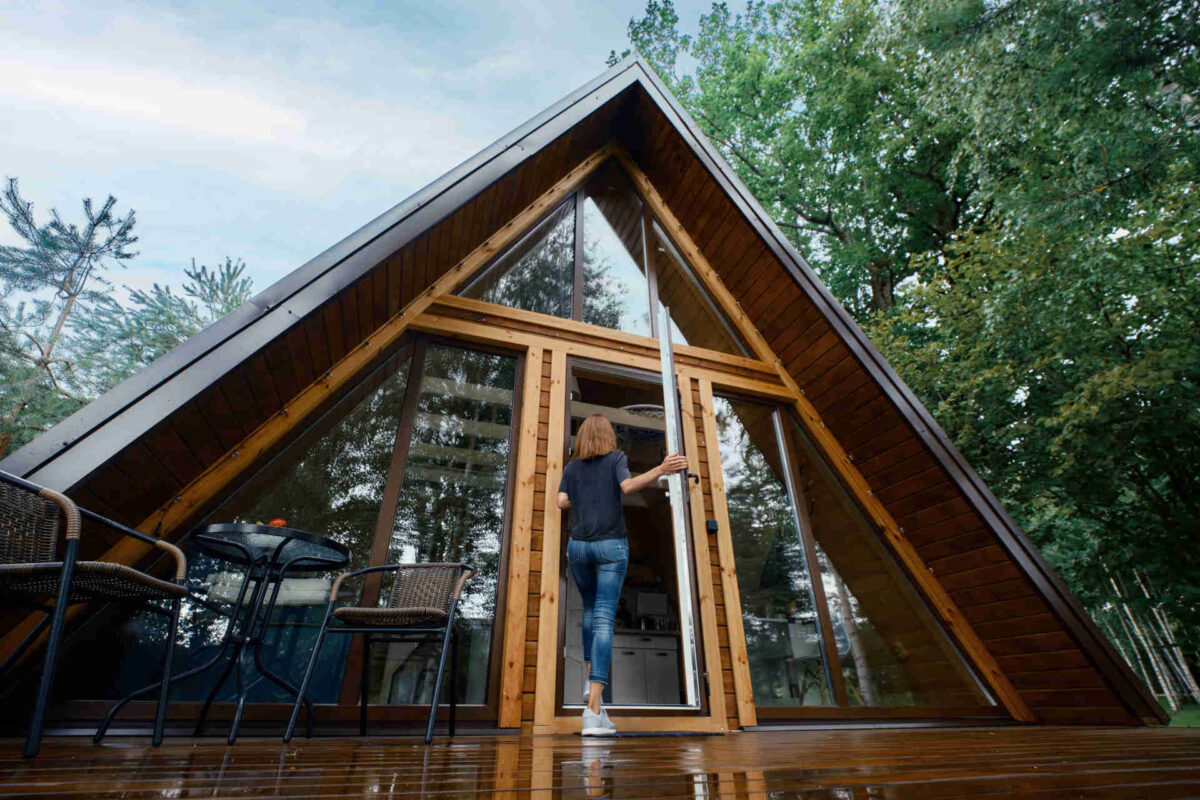
Tiny houses are becoming increasingly popular in Italy too: despite some limitations imposed by more stringent regulations than those in the United States and Northern Europe, the idea of building a tiny house is gaining popularity among more and more people.
Tiny houses are very often a choice born from the desire to live sustainably , limiting consumption and seeking housing solutions that are more in touch with nature.
Most tiny houses are made of wood , and there's a reason that goes far beyond the “small cabin” aesthetic: wood is a sustainable choice, allowing for a highly energy-efficient environment and the simple construction of custom, multi-functional furnishings.
Mini houses in Italy: on wheels or permanent?
Building a tiny house in Italy isn't as easy as it is elsewhere. Any non-temporary dwelling must be constructed in accordance with regional and national regulations that apply to construction.
It doesn't matter how small or how it's built: unless it's a mobile home or one on wheels, you'll need to apply for a Building Permit and start, literally, from the foundations.
If your dream of living small involves living in just 10 square meters, a tiny house "on wheels" is the only solution: permanent constructions must comply with the minimum surface areas set by Italian law, which requires a minimum of 28 square meters for studio apartments and 38 square meters for two-person homes.
On the contrary, if you want a house wider than 2,55 meters it is best to put the idea of a mobile home out of your head, as this would not be approved for road transport.
Mini houses: which materials to choose
Once you've decided which type of tiny house best suits your needs, you can move on to the actual construction, which inevitably begins with the materials . Here, too, the right choice depends essentially on your needs, but there are enough examples to suggest that wood is by far the most commonly used material for building tiny houses.
While many mobile homes favor steel frames and metal roofs , which can save up to 60% on weight, wooden homes are still the most popular choice when it comes to small living.
There are many reasons why wood is preferred, both for structural parts and for furnishings: first of all, it is a natural and sustainable material , recyclable and very durable – important prerogatives for those who intend to contribute to the health of the planet.
Wood is naturally earthquake-proof and provides excellent insulation from the outside environment, an essential feature when it comes to energy efficiency. Wood is also a breathable material , allowing the home to enjoy healthier air than a brick or masonry house. Wooden houses are also easier to build: some prefabricated wooden tiny houses can be assembled in less than two days.
Mini wooden houses: the ideal material for interiors and exteriors
Dealing with very small spaces means having to deal with the need to create multifunctional environments , so that every inch of the small house can be used for different activities throughout the day.
Beds that double as wardrobes, foldaway TVs and tables, ladders that conceal countless drawers: there are so many brilliant solutions for furnishing a beautiful and welcoming tiny home, and they're almost always custom-built, given the limited space available. This is also why wood is the most popular choice , as it allows for complete freedom of design and creates visual continuity between spaces, not just within the home.
The philosophy of living small often benefits from a renewed relationship with the outside environment: terraces, decks, verandas, and small furnished spaces near the exterior walls are practically the norm in tiny houses, including mobile ones.
Wood thus becomes an even more appropriate choice, as it creates a visual connection between interior and exterior , creating the sensation of larger, more airy spaces. Beyond aesthetics, wood cladding and decking are nearly eternal, if treated properly.
The philosophy of living small finds a particularly happy expression in mini wooden houses: an efficient solution capable of reducing consumption, sustainable from start to finish also thanks to the possibility of treating and cleaning all the surfaces of the house with natural products that protect the environment.