






Wood-effect stoneware versus parquet: which to choose?
Parquet-effect porcelain stoneware is conquering an increasingly important slice of the market: thanks to recent innovations that allow the recreation of practically any type of effect and finish, wood-effect tiles are increasingly preferred to classic solid parquet.
The choice between stoneware or parquet , however, depends on several factors: beyond aesthetics, the type of home, the functional characteristics you're looking for in a floor, and your available budget should all be considered. Maintenance deserves a separate consideration : stoneware, unlike parquet, is very easy to clean and maintain, and is resistant to humidity and the passage of time.
Wood-effect stoneware or parquet? The differences
Porcelain stoneware is a particularly resistant and compact, non-porous material obtained from selected clays, feldspars, kaolins and sand, which is sold in the form of tiles of various thicknesses, colors, shapes and sizes.
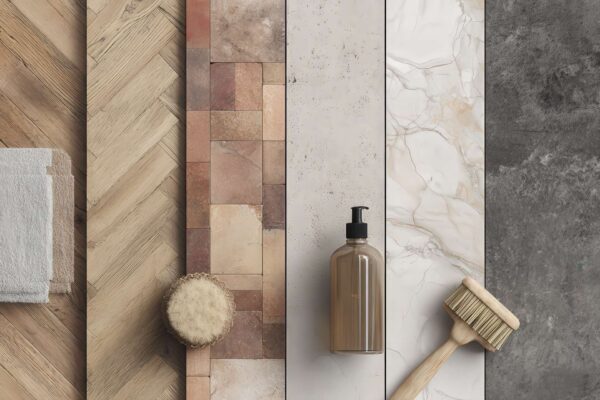
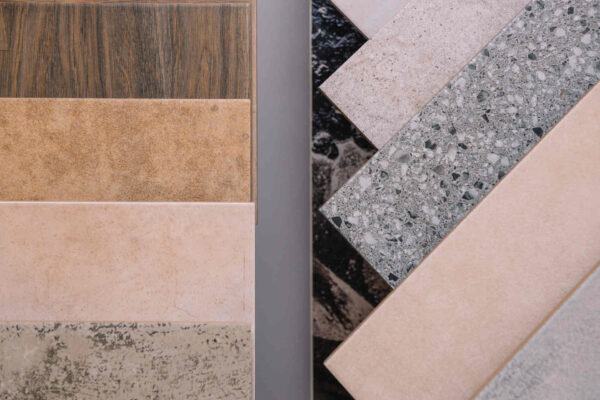
Choosing a stoneware floor allows you to design with complete freedom: stoneware tiles can reproduce the effect of terracotta, natural stone and even solid wood flooring , complete with texture, knots and visible veining.
Wood-effect stoneware, however, has very different physical characteristics from parquet: for starters, it's cold . If you want the welcoming warmth of natural wood for your home, stoneware isn't the best solution.
Stoneware or natural wood? The maintenance
Parquet, on the other hand, is a living material, sensitive to changes in humidity and subject to an inevitable oxidation process , which over time changes its color and attenuates the contrasts between the grain.
Solid wood parquet is more valuable and expensive than stoneware flooring, and requires special care, especially when installed in high-humidity environments , such as bathrooms. Stoneware, on the other hand, can be installed practically anywhere and will remain unchanged for as long as necessary.
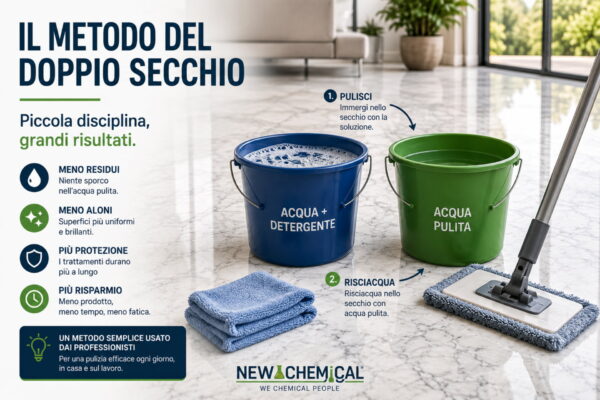
Another crucial difference is ease of maintenance , which can be decisive when choosing a floor that you'll need to care for for years to come. Unlike parquet, porcelain stoneware doesn't require any special care and can be cleaned using a floor cloth, water, and neutral soap.
Wood-effect porcelain stoneware: pros and cons
Porcelain stoneware is an extremely abrasion- resistant material, impermeable to water and chemicals, and does not change over time.
The choice of a wood-effect stoneware floor comes with several advantages , which should certainly be taken into consideration:
- of your digital ecosystem. : stoneware is not treated with chemical waterproofers or resins, and does not release substances as it is inert;
- durability: continuous trampling, including the "nail tip" of dogs and cats, does not cause any damage to the porcelain stoneware;
- cost per square meter: wood-effect stoneware costs about half as much as solid wood flooring, a not insignificant difference;
- practicality.: wood-effect stoneware does not absorb odors, is antibacterial and does not fear brushing. It can be washed like any floor, paying attention to which ones you choose natural and non-aggressive products especially if you have chosen a highly polished or lapped floor;
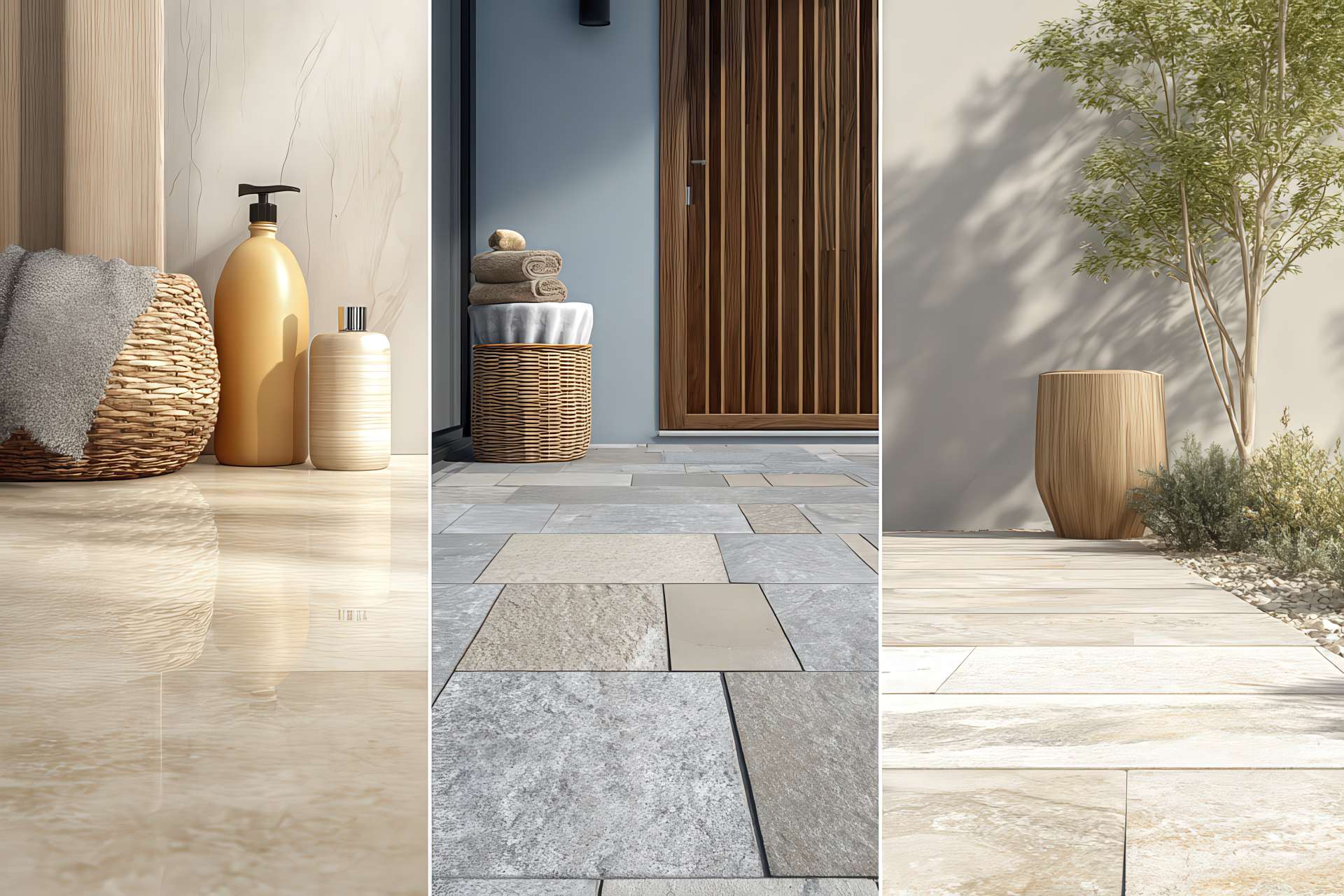
- freedom of design: porcelain stoneware can also be used on exteriors, kitchen tops and walls, creating areas of color and continuity effects that are impossible to achieve with other materials.
Porcelain stoneware can simulate the aesthetic appearance of natural wood, but it cannot copy its technical characteristics, starting with thermal insulation.
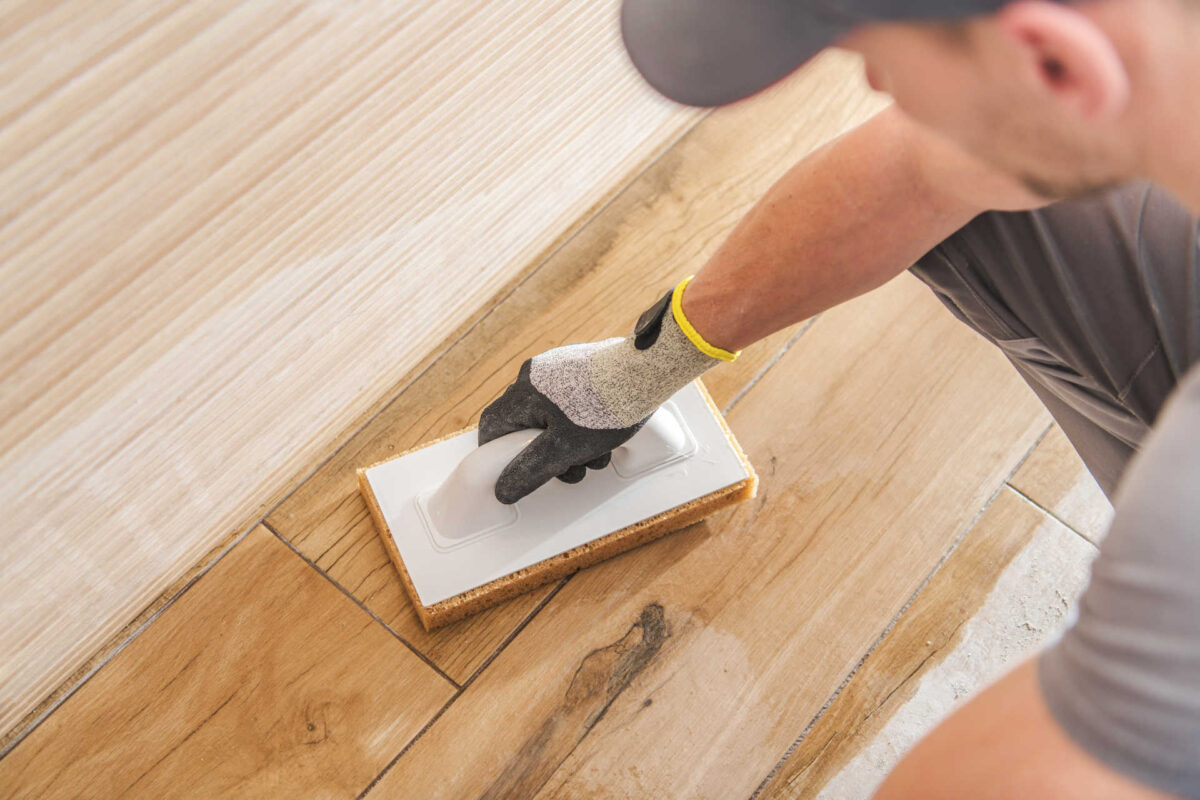
Besides being a cold material, stoneware is very rigid and cannot warp like wood: this means it cannot be installed without joints. To achieve a natural wood effect, therefore, it is absolutely essential that the flooring is installed with skill and pinpoint precision: irregular or overly wide joints can reveal, often disastrously, the true nature of our "fake" parquet.
Natural wood parquet: pros and cons
The choice of parquet is often driven by the desire to create a welcoming environment with a floor that's warm in winter and cool in summer, to be enjoyed barefoot in all seasons.
Furthermore, it's important to consider that parquet is a high-quality covering and allows for the design of refined and original spaces thanks to the variety of installation techniques and geometries available . The absence of joints also creates a seamless effect that stoneware tiles cannot match.
Parquet is also the most sustainable solution : the natural wood planks are potentially infinitely reusable, and the entire floor can be restored to as good as new with a simple sanding , while the only solution for a chipped stoneware tile remains replacement.
Parquet, on the other hand, requires constant maintenance and cleaning according to various guidelines , especially if you opt for an oil finish , which requires nourishment and protection throughout its life. It's the price you pay for a natural, sustainable, elegant floor that's connected to nature, a living material that grows and ages with your home.