






Swimming pool in the garden: how to design your own oasis at home
Designing a pool is not a trivial matter, especially if you're creating your own relaxing oasis in your backyard.
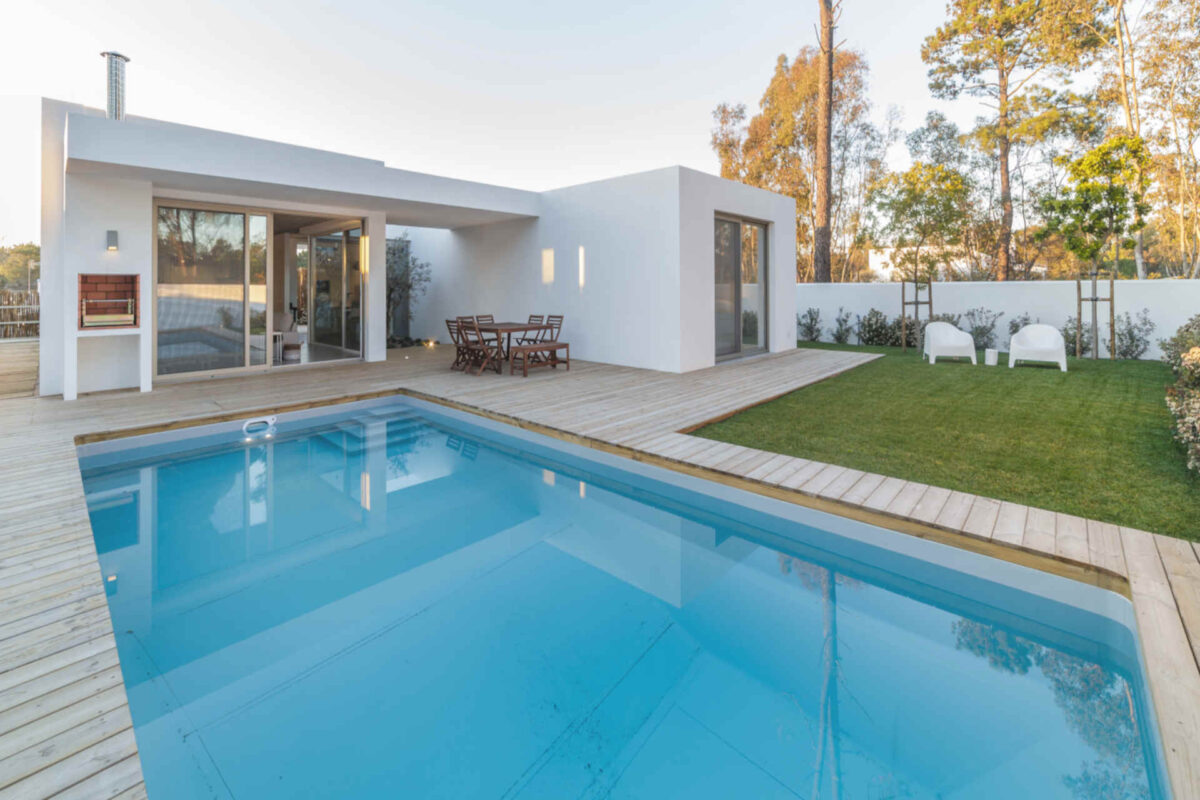
Whether in-ground or above-ground, a comfortable pool must enjoy good exposure and be of an appropriate size for the space available. It must fit harmoniously into its surroundings and have sufficient space for showers, a solarium, plants, or other elements that will complement the original design.
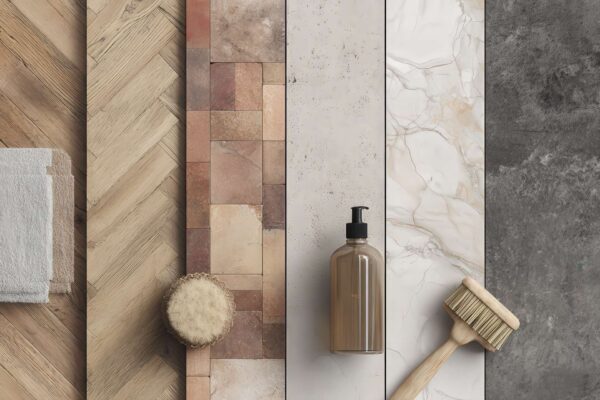
The materials must then be chosen , both for the pool itself and the external covering, and it is here that personal taste comes into play with more practical issues, starting with the properties of the materials and the type of maintenance required.
How many types of swimming pools are there?
When classifying garden swimming pools , the first major distinction to make is between classic in-ground pools and the many different types of above-ground pools, an increasingly popular solution not only because it is very economical, but also because it generally does not require special permits for installation.
If you are thinking of designing your own corner of sun and relaxation starting from an above ground pool , there are various alternatives available to suit all budgets:
- self-supporting swimming pools: they are those that are supported by an inflatable ring. In general they are dismantled at the end of the season, and for this reason they are designed to be easy to dismantle and reassemble. They are produced in PVC, and are generally the cheapest and least long-lasting solution;
- above ground frame swimming pools: swimming pools of this type have PVC walls which are instead supported by steel pipes. Like the self-supporting ones, they must be dismantled at the end of the season and are not very customizable, but they can be disguised with panels, plants and dividers of your own taste;
- rigid above ground swimming pools: they are very resistant and do not need to be dismantled at the end of the season. This type of swimming pool, which is generally the most expensive and durable solution among the above ground options, allows for almost infinite customization: they can be produced in concrete, wood, WPC or steel, and even in terms of covering, all you have to do is let your imagination work.
The latter is the only type of above-ground pool that allows for a certain amount of freedom in terms of materials and style: they come in all shapes and sizes, and you can also base your choice on the materials—which, ultimately, will determine the appearance and long-lasting durability of your relaxation oasis.
Above ground swimming pool: how to choose materials
Rigid above-ground pools can be made from a wide variety of materials, opening up a virtually limitless range of possibilities in terms of cost, durability, and final effect.
If you are planning a rigid above-ground or semi-inground pool you have very different options available:
- Wood: it is the perfect material if what you have in mind is the classic Californian style swimming pool but you cannot opt for the in-ground swimming pool. Elegant and durable, a wooden swimming pool can give great satisfaction but requires a appropriate maintenance;
- steel: very resistant and easy to install, this type of swimming pool can be an original option for lovers of modern style, but you can also choose to take advantage of the excellent properties of steel and cover everything according to your taste - in wood, stone-effect ceramic or stoneware;
- WPC, or Wood Plastic Composite: it is an option that allows you to obtain the same aesthetic effect as wood with greater resistance to UV rays and wear. Composite wood is also resistant to mold and parasites, can be molded into any shape and does not require finishing or particular maintenance operations.
Semi-inground and in-ground swimming pools: materials and maintenance
Semi-inground pools can also be made of concrete, a material that allows for a much greater degree of customization and can be the basis for any covering you can imagine.
As for in-ground pools , the most commonly used materials remain traditional: reinforced concrete, steel panels or sheet metal, polystyrene formwork, and fiberglass. With the exception of fiberglass pools, which require no liner whatsoever, choosing an in-ground pool allows you to achieve virtually any effect and finish.
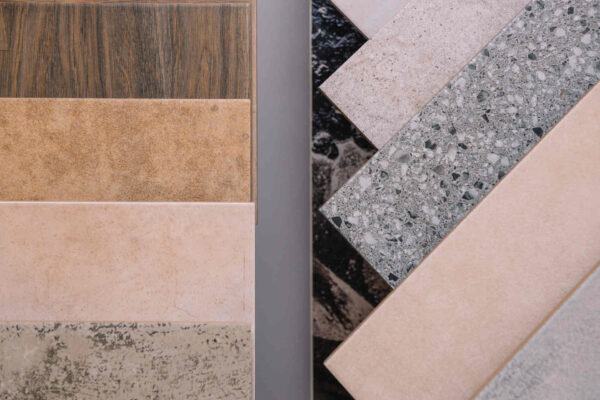
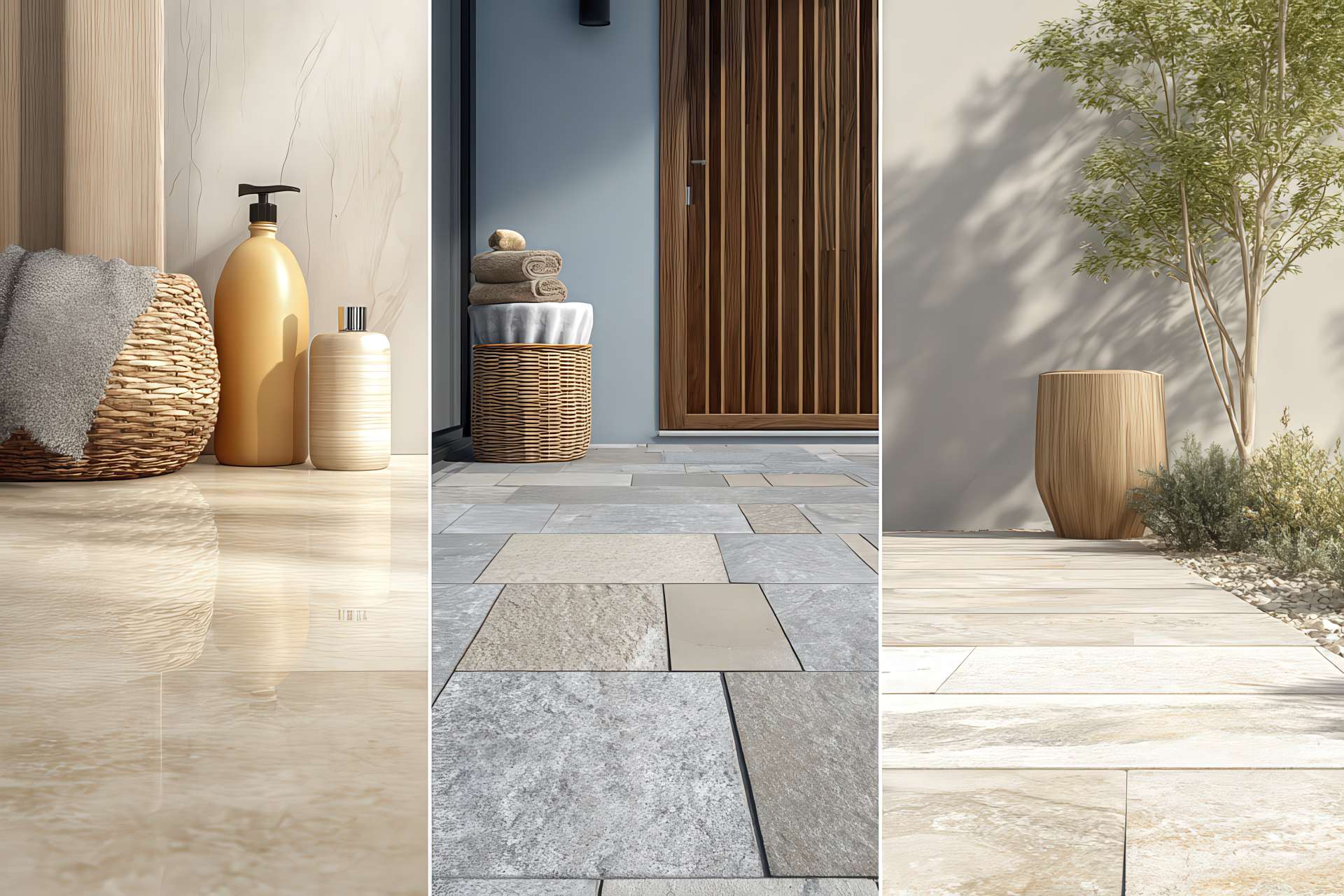
While for steel and formwork pools it is advisable to opt for a classic PVC liner , in the case of reinforced concrete pools the liner can be covered with tiles, natural stone, mosaic, pebbles, resins and rubber paints.
Pool liner maintenance involves thoroughly cleaning the bottom and walls, ideally every week. Choosing the right products is essential: washing should be done very gently and using non-aggressive detergents —especially if you decide to clean the pool without draining it.