






How to clean clinker: products and advice
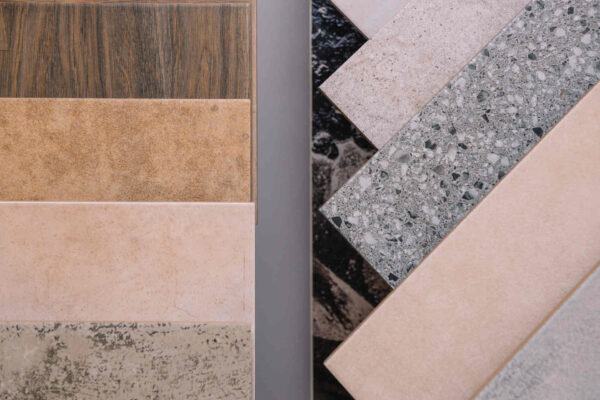
How do you clean clinker ? This material has always been used for lining in-ground pools and creating outdoor flooring. In recent years, however, thanks to its extraordinary characteristics, it has become a popular choice for interior design, offering charm, warmth, and excellent performance.
The charm of clinker, an extraordinary material
With an appearance very similar to terracotta, klinker is an innovative material highly regarded by interior design experts . The material is made from a blend of high-quality clays and water that undergoes a drying process, with a full thirty hours of firing in a kiln at 1.250 degrees Celsius. This process not only solidifies the mixture but also eliminates excess moisture, creating a water-repellent and durable flooring.
Why choose clinker: the advantages
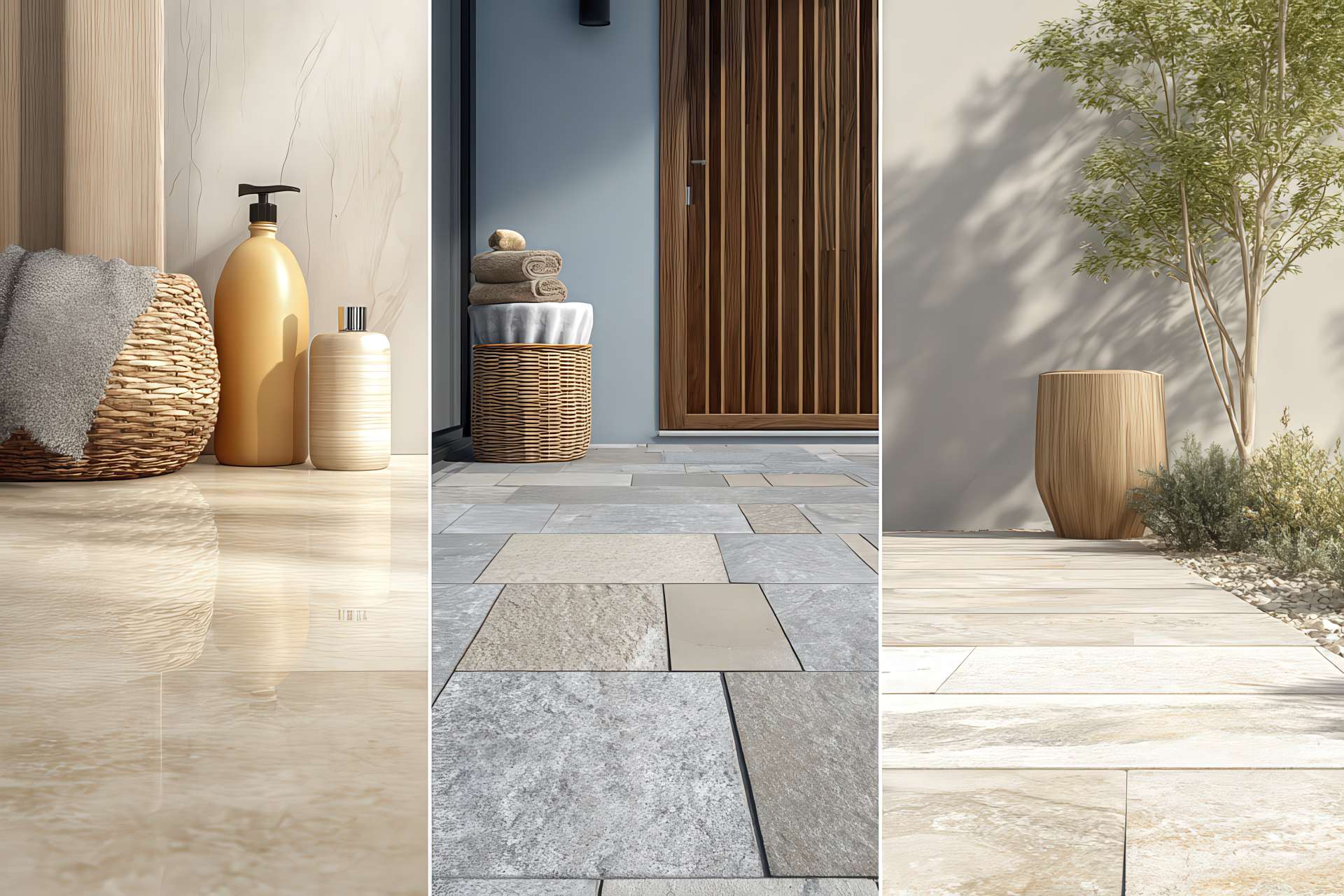
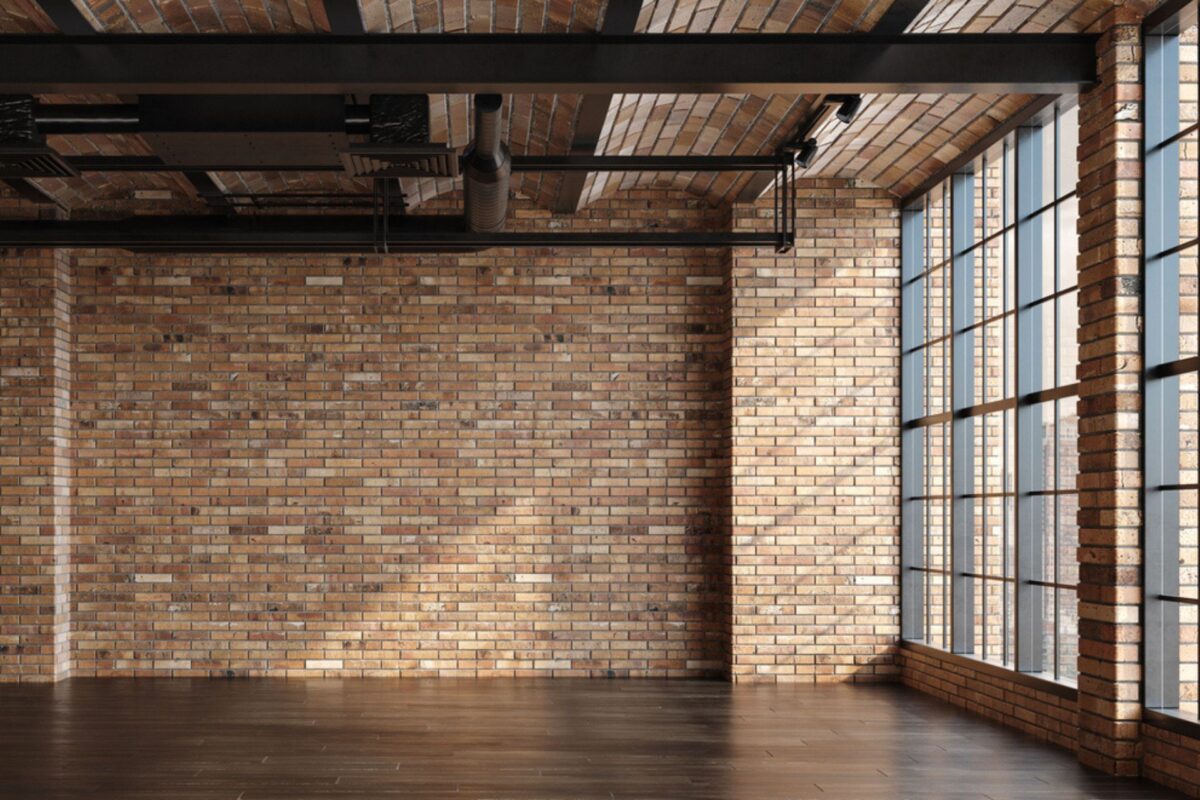
Why choose clinker? This material is used for the flooring of courtyards and terraces, for street furniture, but also for covering internal walls and facades. It is also suitable for decorating swimming pool backdrops and edges. The success of clinker has increased over time, so much so that today it can be found in many areas of the house. This is thanks to its exceptional and extraordinary properties.
Klinker brick does not deteriorate over time and is resistant to temperature changes and frost. It also stands up to impacts, abrasions, corrosive agents, fire, and shock. It is highly water-repellent and impervious to both grease and oil, as well as non-slip. It also offers excellent mechanical resistance to any type of bending.
How to clean clinker: the right products
To ensure that the excellent properties of clinker remain intact, it is essential to take proper care of it. How? By using products specifically designed for this material, respectful of the environment and people, and manufactured and formulated with a green approach. New Chemical Prevention has always created solutions for clinker, following the principles of green chemistry.
Like DSF , it's a descaling and dissolving solution that removes even the most stubborn stains from surfaces. It even removes lactic acid binder additives and grout residue. Its viscous consistency allows it to adhere even to vertical surfaces, dissolving even the grout residue that forms in the small pores of the brick. It's effective, fast, and active, yet doesn't emit fumes or unpleasant odors.
For those looking for a stain-resistant protector for clinker, the solution is Follet-C, a water- and oil-repellent impregnator for both interior and exterior use. It creates a hydrophobic barrier, preventing the formation of oxidation and facilitating moisture removal. It can also be used on natural stone, stoneware, or terracotta floors.
It subtly tones surfaces without creating a film. It can also be mixed with Olio Dodici for a more pronounced tone. Pleasantly scented, it penetrates deeply, protecting—especially outdoors—from freeze-thaw cycles. Using it will increase resistance to detergent washing and foot traffic, as well as high water vapor permeability.
Those seeking a water- and oil-repellent protection will find the answer in Kripton HS . A New Chemical Prevention solution ideal for all reactive silica-based mineral surfaces, both internal and external. Perfect for unglazed klinker, this product is based on oligomeric fluoroalkylsiloxanes. When applied to surfaces, it provides a neutral, matte tone, but above all, water- and oil-repellent properties.
It does not cause chromatic variations in the treated materials and provides high resistance to UV rays . It guarantees long-lasting protection, dries quickly and leaves surfaces matte without changing due to water vapor or the freeze-thaw cycle.