







Cleaning porcelain stoneware: mistakes not to make
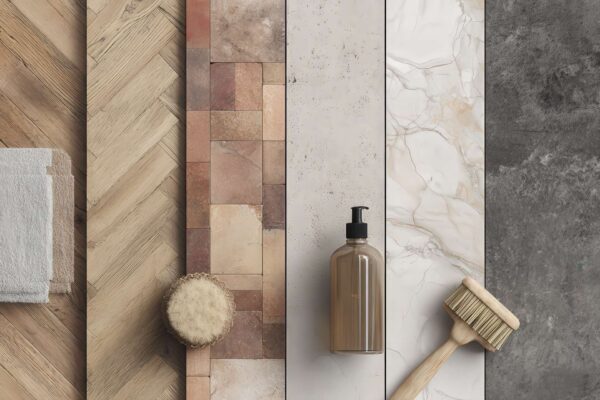
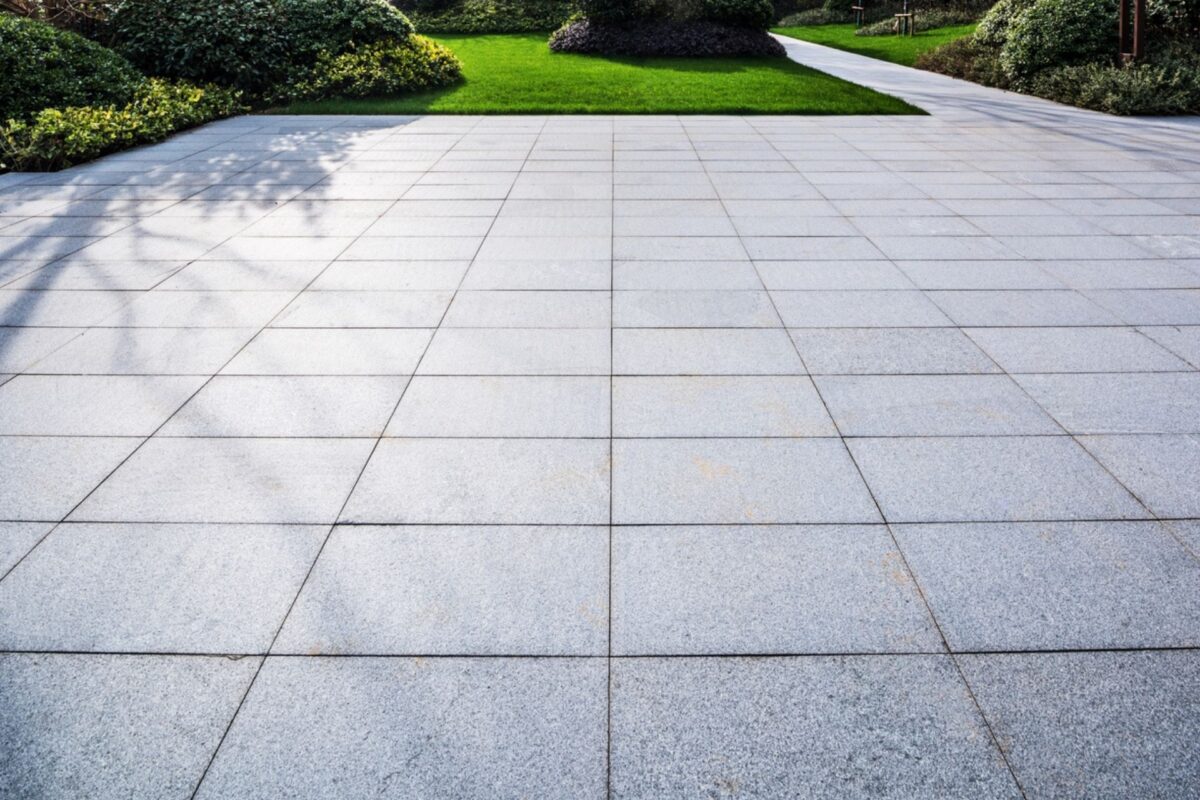
Cleaning porcelain stoneware isn't as simple as it seems, especially if you don't know the right techniques and products. This material is increasingly popular and allows you to cover your home with a variety of attractive effects, from wood and terracotta to natural stone and marble.
With stoneware, you can experiment with furnishing trends and new shapes , while spending a modest amount. Produced in tile form, this flooring material is a composite created by synthesising sand, clay, and other materials, ground into powder, pressed, and fired at extremely high temperatures.
Cleaning stoneware: the mistakes
Maintaining porcelain stoneware is important to maintain its beauty and create a more welcoming home environment. There are, therefore, some fundamental mistakes to avoid to ensure your floor always looks beautiful and flawless.
Clean without first removing dirt
Before cleaning porcelain stoneware with specific products it is essential to remove all dirt. In fact, dust and other materials could not only make cleaning ineffective, but could also ruin the floor.
Use aggressive acids
Who says force always gets you somewhere? To remove stains from porcelain stoneware, avoid overly aggressive products, as they could damage the surface and ruin the polish. It's better to opt for effective solutions that respect the material.
Use abrasive sponges
Abrasive sponges are commonly used in routine cleaning, but using them on porcelain stoneware is a mistake. Even for obvious and stubborn stains, scouring pads are a no-no as they scratch and would only cause further damage.
How to clean porcelain stoneware
So the question arises: how do you clean porcelain stoneware? The answer is simple: using the right products, respectful of the surfaces, the environment, and people. For example, DSF is a descaling and dissolving solution . It's an effective stain remover, used on klinker porcelain stoneware, hard and glazed ceramics. Its combined action removes both grout residue and lactic binder additives for joints. It doesn't emit fumes or unpleasant odors , and dissolves grout residue even in the smallest pores of the brick. It's also effective, fast, and active. Furthermore, its viscous consistency allows it to adhere even to vertical surfaces.
New Chemical Prevention has also created Micromax Extra , an intensive cleaner suitable for stain removal, wax removal, and degreaser . This concentrated detergent, depending on the dilution, can be used in a variety of ways. Low-foaming and with high wetting capacity, it is suitable for cleaning various surfaces. It is also effective for removing fillers, epoxies, grease, markers, and black rubber marks.