






Blackened external marble: the solution
Blackened exterior marble is a very common problem that can be solved with the right remedies and products . Marble is a very unique stone, delicate, yet striking. It adds charm and elegance to any space and is suitable not only for interiors but also for exteriors. It is increasingly being chosen by architects and designers to embellish the exteriors of homes because it enhances and illuminates them. However, it requires very specific care, including proper cleaning and maintenance. Only in this way can marble retain its unique characteristics over time and shine.
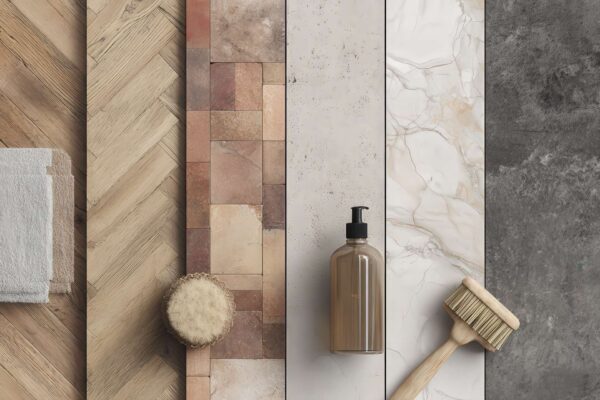
The word marble derives from the Greek "marmaros," meaning "shining stone." It is a sedimented limestone composed of calcium carbonate that crystallizes through a particular process, giving it a distinctive, luminous, and reflective appearance. The minerals found in the rock ultimately determine the natural textures and color of marble. Widespread since ancient times, marble is now among the most beloved and widely used materials. Various types are available, from travertine to Crema Marfil marble, and even white Carrara marble. Capable of lending a touch of prestige to any space, it lends a natural shine and a sense of cleanliness. It can be used for countertops, floors, and cladding , both indoors and outdoors. Maintaining its beauty and preventing deterioration is crucial.
External blackened marble: what to do and the best remedies
When it comes to exterior marble, the main problems are mold and algae that form due to weathering. In this case, New Chemical Prevention products can be used to address the issue in depth.
Fx-25 is a detergent for algae removal. It is a broad-spectrum, balanced solution that targets green growth (moss and/or algae) that forms on pavements due to standing water , which is both unsightly and dangerous.
Before using this product, you can use FX-1, an aggressive solution for mold. Once applied, the solution penetrates the surfaces, eliminating the root cause of the problem. The product can be used on various absorbent building surfaces, including marble, terracotta, wood, concrete, stone, stoneware, plaster, and paint.